The Laserlinez Engine
The engine behind every Laserlinez workflow: AI where it helps to find the subject, deterministic geometry for every path you cut, engrave or plot.
Laserlinez Engine v5.0
The Engine - What happens under the hood
Deterministic line extraction for professional workflows
The Laserlinez engine is not a generative image model and not a generic vectorizer. It turns raster images into line geometry for production: closed cut contours with separate engraving paths (SVG and DXF), centerline paths for scoring, plotting and V-carving (SVG and DXF), and dense tonal linework for engraving (SVG). It also converts existing SVG files into DXF for CAD and CNC. The same geometry serves laser engraving and cutting, sign making, vinyl cutting, pen plotting, CNC, architecture and design.
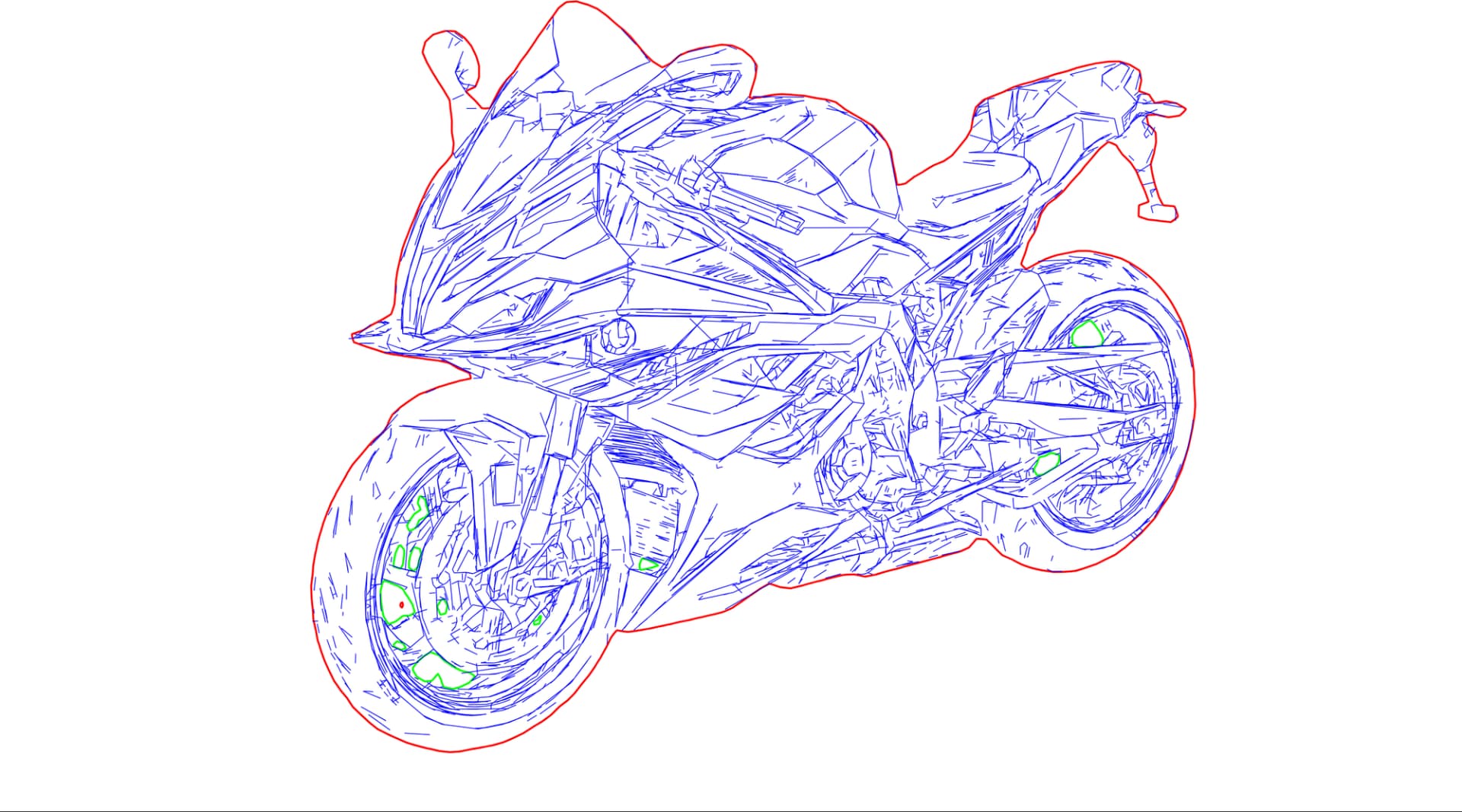
Each workflow decides what becomes a line before any path is drawn: Contour Vectorization splits the image into its color areas and traces each border once, Centerline Vectorization follows the middle of each stroke, and Tonal Line Vectorization isolates the subject and lets line density carry its tone. The goal is not a filled shape copy of the image. The goal is line-based vector output that supports downstream work.
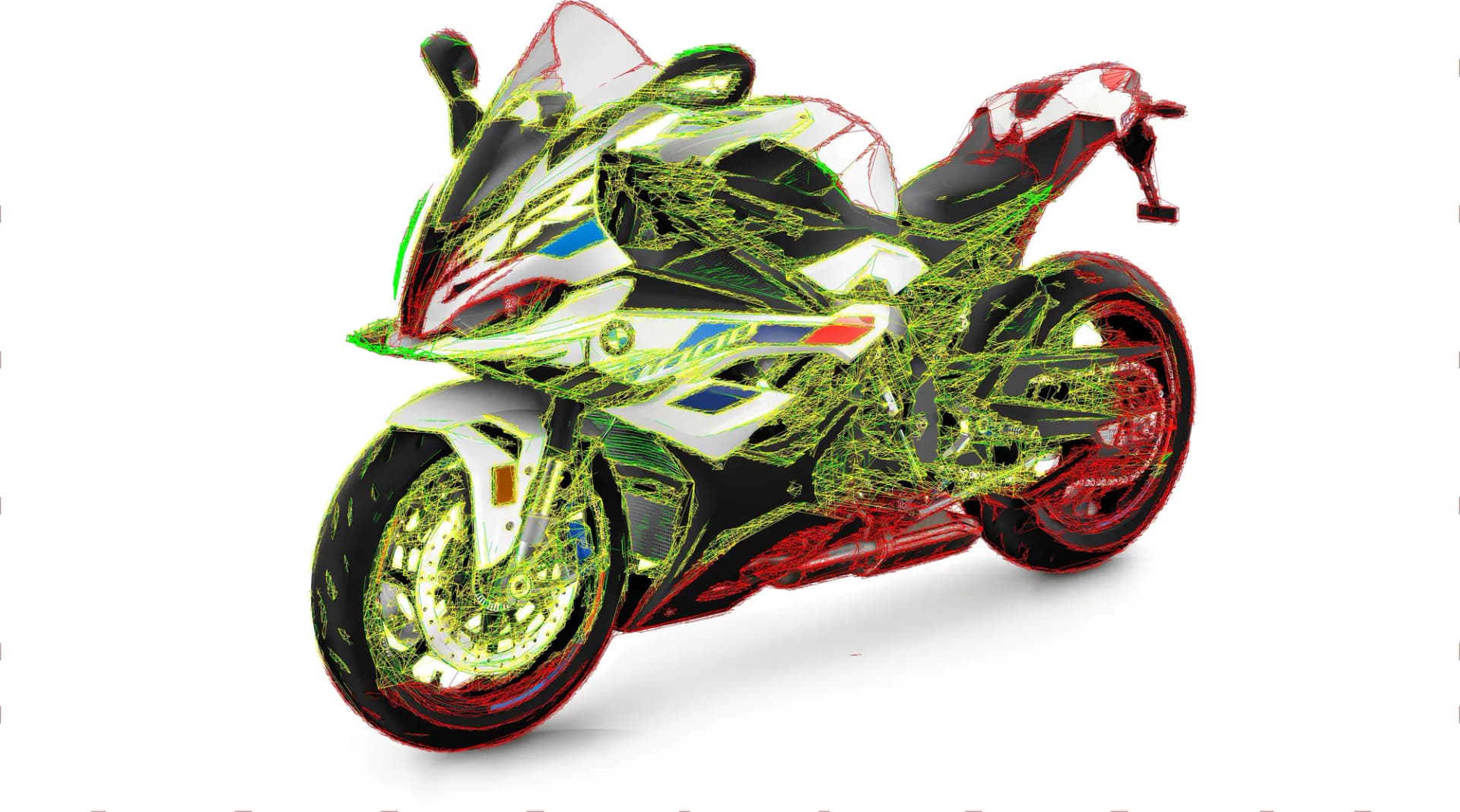
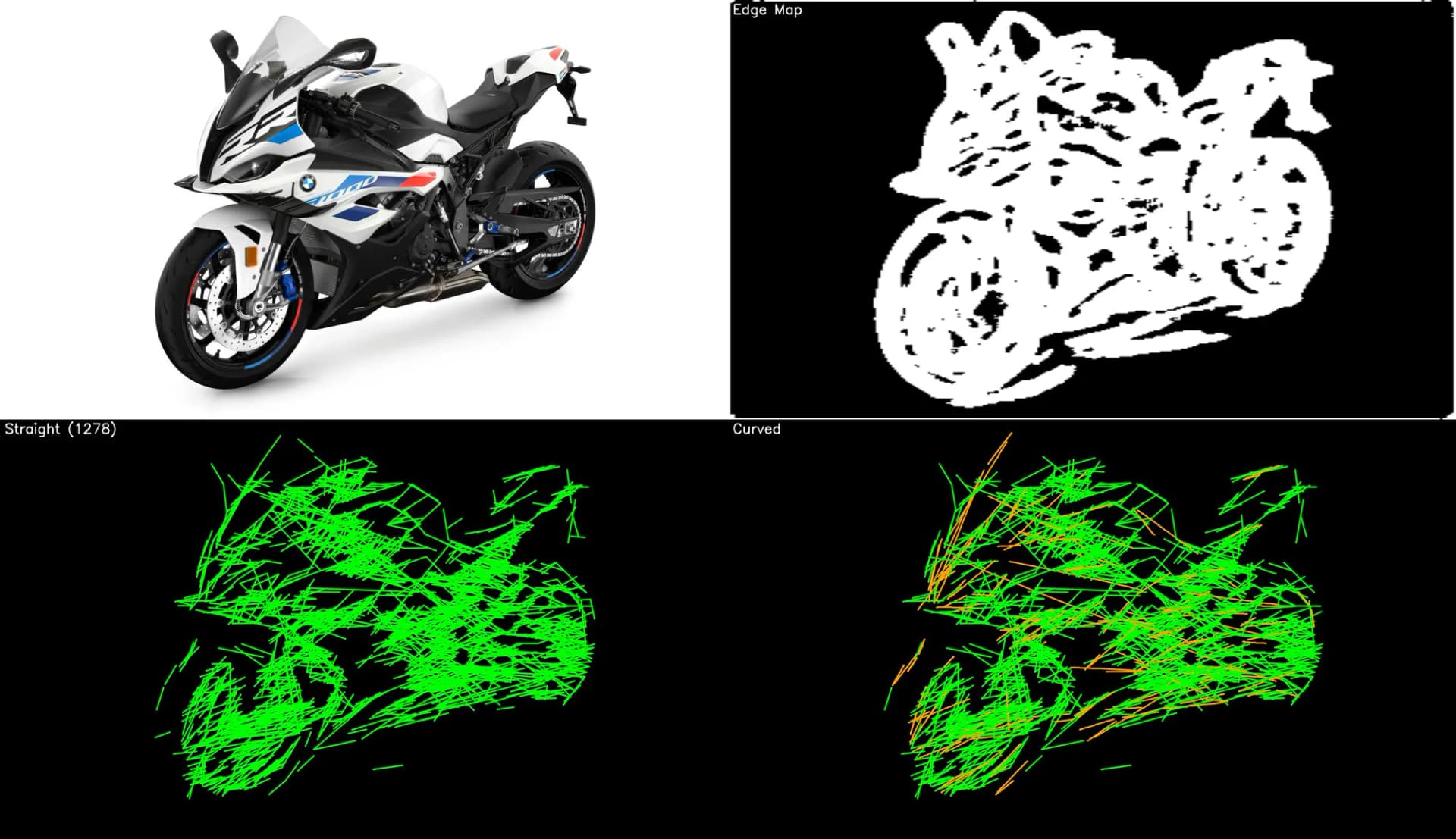
For thin features, wireframes and technical detail, the engine uses centerline-oriented detection so the result behaves like a drawing instead of a noisy double-outline trace. That keeps the output cleaner for plotting, cleaner for fabrication prep and easier to reuse in manuals, product graphics and design systems.
Reliability is built in. Contour Vectorization fits every border with straight lines and true circular arcs within half a pixel and checks the exported SVG and DXF before delivery: cut contours must be closed, and no path may cross another or be drawn twice; a file that fails is not delivered. The SVG-to-DXF converter checks each SVG before payment and re-reads every DXF it writes to confirm that it opens, uses millimeters and holds valid coordinates. No generative model invents geometry.
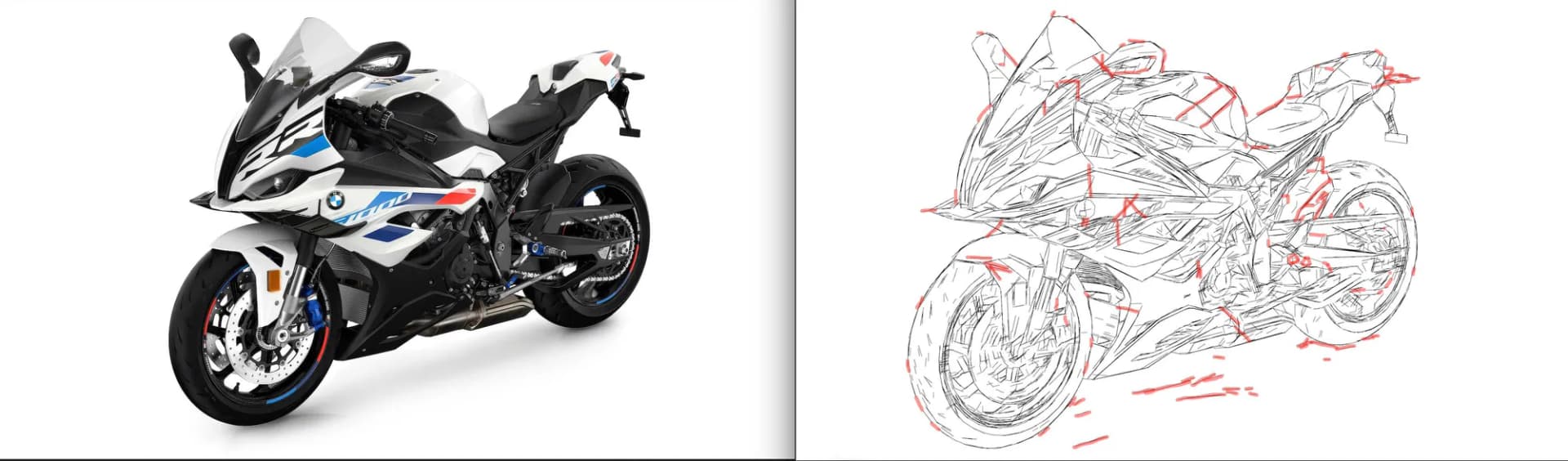
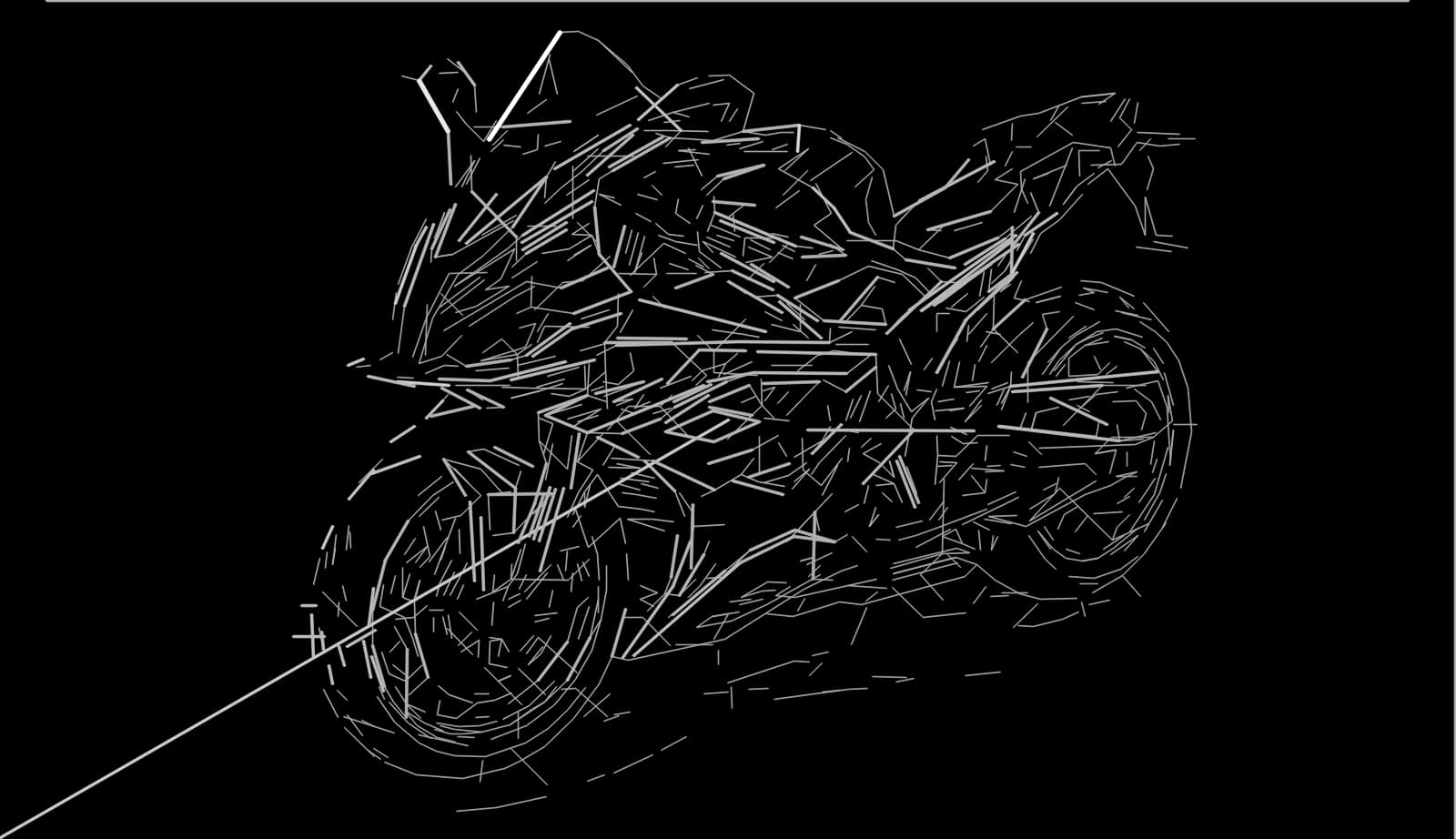
The Laserlinez engine combines AI-powered subject understanding with deterministic geometry rules so only workflow-relevant line structure survives the pipeline. The result is usable SVG and DXF line geometry, not a generative image remix and not a noisy full-image auto-trace.
The three-stage advantage:
Subject Isolation: a neural segmentation model separates the subject of a photo from its background; in logos, graphics and line drawings, the image's own color areas, strokes and transparency define the design.
Line Reconstruction: edges and stroke centers are rebuilt into clean paths, as straight lines and true circular arcs wherever the geometry allows, instead of dense chains of points or noisy auto-traced outlines.
Workflow Structuring: output is organized for the next step, with cut and engrave layers in their own colors, DXF with true arcs, and files ready for laser, CNC, CAD and plotting software.
The Human Touch
Manual processing on request, for an extra fee
The engine handles extraction and structure. When a workflow needs tighter aesthetic control, format validation or brand-sensitive finishing, contact us: on request, we process your files for you for an extra fee.
Machine-Ready Files
Output is structured for downstream use, reducing cleanup work before documentation, plotting, or fabrication handoff.
Faster Production
Centerline-aware paths and controlled geometry reduce unnecessary complexity and make the output easier to reuse.
Mathematical Accuracy
Contour paths stay within half a pixel of the detected edges, checked on every delivered file, and arcs are written as true arcs rather than chains of short segments.